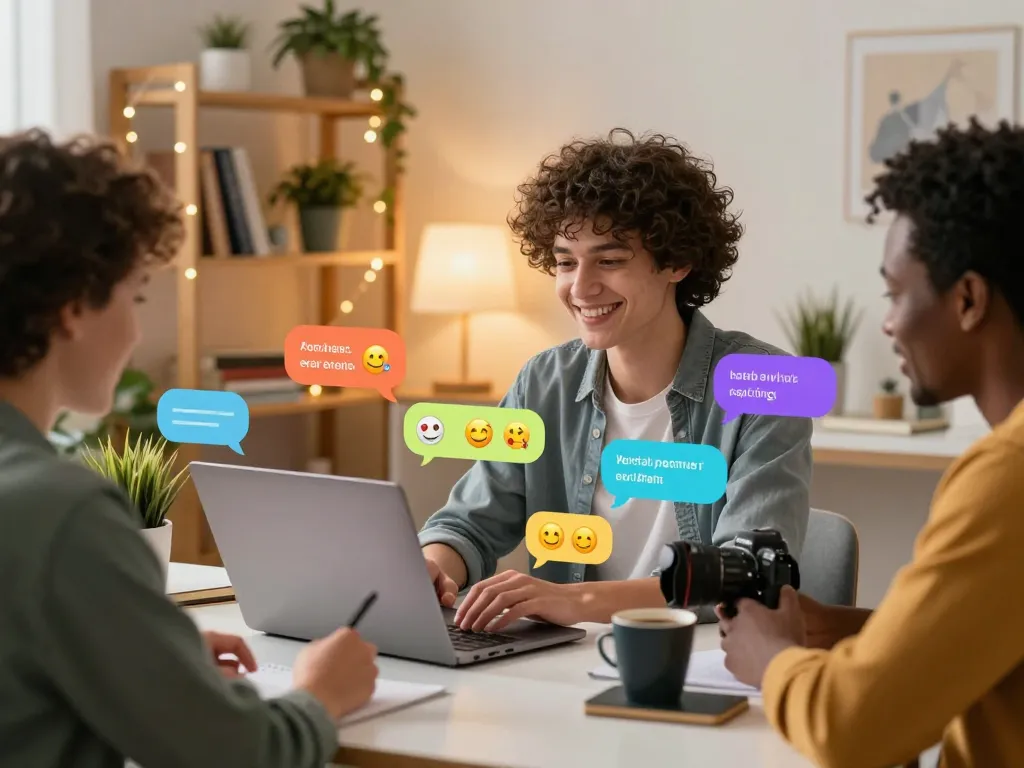
The Rising Influence of AI on Social Interactions
As we navigate through the rapidly changing landscape of social interactions, artificial intelligence (AI) has emerged as a transformative force. With the integration of AI into our daily lives, the way we communicate, connect, and engage with one another has been fundamentally altered. From enhancing our social skills to facilitating connections in a digital world, the implications of 18+ ai span numerous dimensions of our social experiences. In this article, we will explore the various facets of AI's role in shaping social interactions, while addressing the challenges and best practices for leveraging AI to enrich our social environments.
Understanding 18+ ai in Today's Social Landscape
The term "18+ ai" encompasses a wide range of applications designed specifically for adult social situations, including recreational, dating, and lifestyle interactions. As young adults increasingly turn to technology for companionship and networking, understanding how AI influences these dynamics is essential. AI-powered platforms can analyze user behavior, preferences, and communication styles, offering tailored recommendations and facilitating compatible connections. This personalization can lead to more effective social interactions, reducing the anxiety that often comes with meeting new people.
The Role of Technology in Enhancing Experiences
Technology, particularly AI, enhances the quality of social experiences by providing tools that facilitate communication and engagement. For instance, language processing algorithms enable real-time translation during conversations between individuals who speak different languages, fostering inclusivity and broader connections. Furthermore, AI-driven applications such as chatbots and relationship coaches can assist users in developing their social skills, offering feedback and tips based on interactions. These innovations contribute significantly to creating a more connected and accessible social environment.
Common Misconceptions About AI in Social Settings
Despite its advantages, several misconceptions about AI in social settings persist. One common belief is that AI diminishes genuine human interaction. While it's true that technology can create barriers, it can also serve as a bridge, enhancing interpersonal communication when used appropriately. Another misconception is that AI lacks emotional intelligence; however, advancements in natural language processing and machine learning have significantly improved AI's ability to understand and respond to human emotions. By recognizing these misconceptions, users can harness AI in a way that complements their social interactions rather than detracting from them.
Exploring the Benefits of AI in Navigating Social Situations
How 18+ ai Can Improve Communication Skills
AI can significantly improve communication skills by providing users with feedback on their conversational techniques. Applications that analyze speech patterns, tone, and body language can coach individuals on how to express themselves more effectively, increasing their confidence in social situations. Additionally, AI can simulate conversations, allowing users to practice and refine their skills in a low-pressure environment, ultimately leading to more authentic interactions in real-life scenarios.
Creating Authentic Connections in the Digital Age
In an era dominated by digital communication, creating authentic connections can be challenging. However, AI can facilitate deeper relationships by offering insights into compatibility and shared interests. Dating apps and social networking platforms can utilize AI algorithms to match users based on personality traits and behaviors, leading to more meaningful interactions. By prioritizing genuine connections rather than superficial engagements, users can forge more significant relationships that stand the test of time.
Leveraging AI for Personalized Social Experiences
Personalization is at the heart of effective social interactions. AI technologies can analyze user data to curate tailored experiences, from recommending social events based on preferences to suggesting conversation topics. This customization not only enhances user satisfaction but also encourages engagement, as individuals feel more connected to experiences that resonate with them. By leveraging AI, users can transform mundane encounters into memorable ones, ensuring that their social lives are vibrant and fulfilling.
Challenges Faced When Integrating AI in Social Life
Overcoming Barriers to Adoption of AI Tools
While the benefits of AI in social interactions are clear, there are notable barriers to its adoption. Many individuals may feel overwhelmed by the technology, fearing that they lack the technical skills to utilize AI tools effectively. To overcome this obstacle, educational resources and user-friendly applications are crucial. By providing guidance and support, the transition to using AI in social contexts can become less daunting, ultimately leading to wider acceptance.
Addressing Privacy Concerns in Social AI Usage
Privacy is a pressing concern when it comes to utilizing AI in social settings. With the collection of personal data necessary for AI algorithms to function effectively, users must navigate the complexities of data security. It is essential for developers to implement transparent data collection policies and allow users control over their information. Ensuring user trust can enhance the adoption of AI, as individuals feel more secure in sharing their data for improved social interactions.
Common Pitfalls in Misusing AI Technology for Socializing
Mistakes can occur when users rely too heavily on AI tools for socializing. Over-dependence on technology can lead to a decline in face-to-face interactions and may result in social anxiety. Additionally, users may misinterpret AI-generated feedback, leading to misguided attempts at improving social skills. To avoid these pitfalls, it's important for individuals to maintain a balanced approach, combining AI tools with real-world experiences to foster genuine connections.
Best Practices for Utilizing AI in Social Environments
Strategies for Effective Usage of AI in Daily Interactions
To maximize the benefits of AI in social settings, users should adopt specific strategies. First, setting clear objectives for what they wish to achieve with AI tools can guide their interactions. Whether it's improving communication skills or finding meaningful connections, having a defined goal can enhance focus. Second, users should actively seek out platforms that align with their social preferences and invest time in understanding the features available to them.
Real-Life Examples of Successful AI Applications
Numerous success stories illustrate the positive impact of AI in social interactions. For instance, platforms like Bumble have integrated AI features to suggest potential matches based on user preferences and behavior. Similarly, apps like Replika provide users with an AI companion that simulates human interactions, helping users practice social skills in a safe environment. These real-life examples underline the potential of AI to enhance social experiences.
Measuring the Impact of 18+ ai on Social Engagement
To assess the effectiveness of AI tools in social interactions, users can track various metrics. Key indicators include the frequency of meaningful engagements, user satisfaction ratings, and feedback on communication improvements. By regularly evaluating these metrics, individuals can adjust their AI usage to better align with their social goals, ensuring optimal impact on their social life.
Future Trends in AI and Social Interactions Through 2026
Emerging Developments in Social AI Technology
As we look towards the future, advancements in AI technology will continue to shape social interactions. Emerging trends include enhanced emotional analysis, enabling AI to better understand and respond to human emotions. Additionally, the use of augmented reality (AR) in social applications could revolutionize how users engage with one another in virtual spaces. These developments promise to create more immersive and interactive social experiences.
The Potential Evolution of 18+ ai Dynamics
The dynamics of 18+ ai will evolve, driven by changing societal norms and technological advancements. As attitudes towards AI integration in social contexts grow more favorable, we can expect an increase in the use of AI in diverse social settings, from events to networking opportunities. This evolution will likely prioritize inclusivity and personalization, making social experiences richer and more fulfilling for everyone involved.
Preparing for Tomorrow's Social Landscapes with AI
To effectively prepare for the future social landscape shaped by AI, individuals and organizations alike should invest in education and awareness. Understanding the potential of AI technologies will empower users to make informed decisions about their social interactions. Furthermore, advocating for ethical AI practices will ensure that technology serves as a positive force in enhancing human connections rather than detracting from them.
What are the pros and cons of using AI socially?
Using AI socially has its advantages, such as improved communication skills, access to personalized experiences, and the ability to create authentic connections. However, potential downsides include privacy concerns, the risk of over-dependence on technology, and the possibility of misinterpreting AI feedback. Balancing these pros and cons is essential for a successful integration of AI in social interactions.
How can AI enhance my social experiences at 18+ events?
AI can enhance social experiences at 18+ events by facilitating matchmaking, providing real-time feedback on communication, and offering personalized recommendations based on user preferences. These tools can help individuals navigate social environments more effectively, leading to richer connections and enjoyable experiences.
What should I know about AI privacy in social settings?
When using AI in social settings, it’s essential to be aware of privacy policies and data security measures. Understanding what data is collected, how it is used, and your rights regarding that data can help ensure safe and responsible use of AI technologies.
Are there any success stories of 18+ ai integration?
Yes, numerous success stories exemplify the effective integration of 18+ ai. For example, dating apps that utilize AI algorithms to create user profiles and suggest compatible matches have seen increased success rates in fostering meaningful relationships. These applications highlight how AI can enhance social dynamics in a contemporary context.
What future trends should I expect in social AI?
Future trends in social AI may include further advancements in emotional intelligence, the integration of virtual reality for immersive interaction, and the evolution of personalized AI companions. As technology continues to develop, these trends will likely reshape how individuals connect and socialize in numerous ways.