Mastering the Art of Sports Broadcasting: Strategies for Success
Understanding Sports Broadcasting Dynamics
Sports broadcasting is a dynamic intersection of entertainment, technology, and journalism. It not only serves as a medium to deliver exciting sports events to audiences worldwide but also plays a crucial role in shaping the viewing experience. The advent of technology has transformed how we consume these broadcasts, making it essential for professionals in the field to stay abreast of the latest trends and practices. In this realm, understanding the intricacies of Sports Broadcasting is critical for success.
What is Sports Broadcasting?
At its core, sports broadcasting involves the coverage and dissemination of sports events via television, radio, and online platforms. It typically encompasses live coverage, highlights, commentary, analysis, and interviews. With a focus on providing real-time updates, sports broadcasting serves not only devoted fans but also casual viewers. Over time, the reach of sports broadcasting has expanded incredibly, overlapping with social media and digital content to engage audiences before, during, and after events.
The Evolution of Sports Broadcasting
The journey of sports broadcasting dates back to the early 20th century when radio first broadcast live sports events. This was a revolutionary moment, as it allowed fans to experience the excitement of their favorite sports from the comfort of their homes. With the introduction of television in the mid-20th century, the landscape changed profoundly. The merging of visual and audio elements created an engaging experience that set the stage for future innovations.
Fast forward to recent years, the rise of streaming services and digital platforms has further transformed sports broadcasting. Networks now use advanced technologies such as augmented reality (AR) and virtual reality (VR) to enhance viewer engagement. Moreover, analytics have become central to broadcasting, enabling tailored content delivery to specific demographics, enriching the overall experience.
Key Trends in Sports Broadcasting
Several critical trends are shaping the future of sports broadcasting:
- Streaming Services Dominance: As audiences shift towards on-demand content, traditional broadcasting faces significant competition from streaming platforms, which offer flexibility and a broader range of content.
- Interactive Content: Fan engagement is reaching new heights with interactive broadcasts that allow viewers to choose camera angles, access statistics in real-time, and participate in polls or discussions.
- Personalized Viewing Experiences: Using data analytics, broadcasters can deliver customized content that caters to individual preferences, enhancing viewer satisfaction and loyalty.
- Sustainable Practices: Growing awareness surrounding environmental issues has pushed broadcasters to adopt more sustainable practices, reducing their carbon footprint during productions.
Essential Equipment for Sports Broadcasting
The quality of a sports broadcast heavily relies on the equipment used. Investing in the right tools and technology is crucial for achieving professional and captivating broadcasts that resonate with the audience.
Microphones and Audio Gear
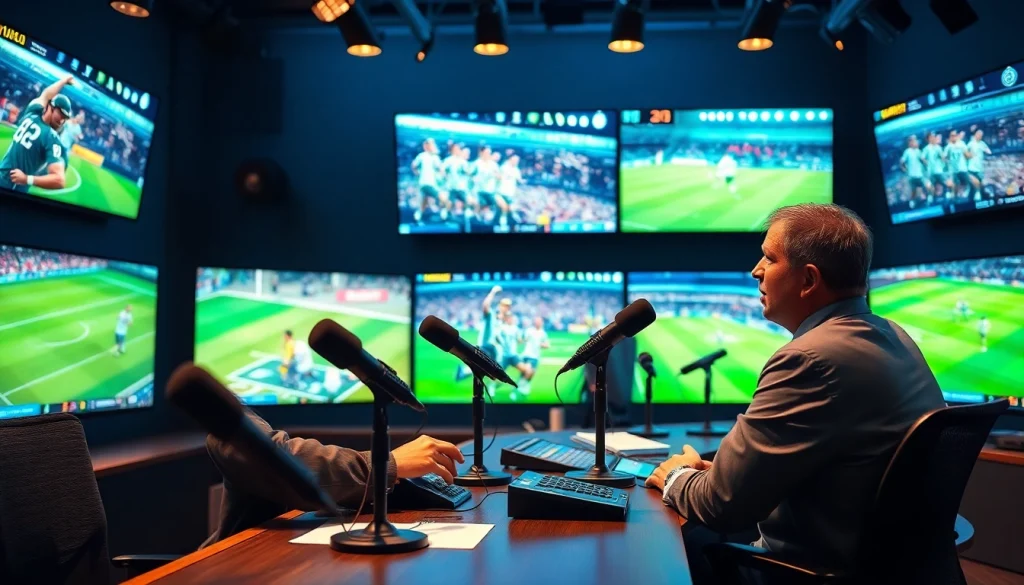
Audio quality is paramount in sports broadcasting, as it enhances the viewing experience. High-quality microphones are essential for capturing clear commentary and ambient sounds from the venue. Consider using directional microphones for commentaries to minimize background noise, while lapel mics can be effective for interviews and player interactions. Additionally, audio mixers and sound boards facilitate easy management of sound levels during live broadcasts, ensuring a perfect auditory environment.
Camera Equipment Requirements
Visual representation in sports broadcasting leverages advanced camera technology to deliver breathtaking views and angles. Investing in high-definition cameras enhances picture quality significantly. Multiple camera setups are crucial, allowing for various angles that capture all the on-field action. Additionally, incorporating slow-motion cameras can help highlight pivotal moments during games, adding excitement to replays and analyses.
Broadcasting Software Solutions
With the integration of technology into sports broadcasting, utilizing the right software can streamline operations and enhance production quality. Broadcast automation systems can assist in managing schedules, facilitating content distribution, and ensuring seamless transitions between segments. Graphics and animation software are significant for creating engaging visuals that keep viewers immersed in the action, allowing dynamic storytelling through graphical elements.
Creating Engaging Sports Broadcasts
For a sports broadcast to truly captivate audiences, broadcasters must focus on several essential strategies that elevate their content.
Crafting Compelling Storylines
Every game tells a story, and presenting those narratives effectively can attract and retain viewers. Broadcasters should identify key players, rivalries, and moments that add depth to the game. Storylines can be developed by integrating historical context, analyzing team strategies, and highlighting player backgrounds. Engaging commentary that adds emotional weight to these narratives encourages viewers to connect with the sport on a personal level.
Enhancing Visual Elements
To maintain a visually engaging broadcast, sports broadcasters should utilize innovative graphics that display real-time statistics and player information. Integrating visual storytelling complements the traditional commentary, helping to enhance the audience’s understanding of the game. Moreover, utilizing augmented reality can help bring strategic analyses to life, visually representing team formations and player movements during critical moments.
Utilizing Viewer Interaction Techniques
Modern broadcasting must embrace viewer interaction to boost engagement. Incorporating social media integration allows fans to express opinions and share thoughts in real-time, creating a vibrant conversation around the broadcast. Encouraging audience participation through live polls, Q&A sessions with commentators, or fan-submitted content enhances viewer investment in the broadcast and nurtures a community around the sport.
Legalities and Guidelines in Sports Broadcasting
Understanding legal frameworks is essential for ensuring that sports broadcasts are conducted ethically and responsibly. Broadcasters must navigate complex laws related to copyright, broadcasting rights, and compliance standards.
Understanding Broadcast Rights
Broadcast rights are legal permissions that determine how and where a sporting event can be aired. These rights are typically purchased from leagues or teams and can vary widely in price based on the sport’s popularity and the viewership market. Broadcasters must negotiate these rights carefully, ensuring they have the necessary permissions to air live games, highlights, and associated content.
Compliance with Regulatory Standards
Sports broadcasters are also subject to regulations from governing bodies that dictate how content should be presented. These standards inform advertising practices, viewer privacy, and minors’ protections. Failure to comply with these regulations can result in hefty fines and damage a broadcaster’s reputation.
Best Practices for Ethical Broadcasting
Ethics play a significant role in sports broadcasting. Broadcasters should strive for integrity by avoiding conflicts of interest and ensuring balanced coverage that respects all involved parties. Transparency is pivotal in disclosing sponsorships and endorsements, while respecting the privacy of players and officials contributes to a fair broadcasting environment.
Measuring Success in Sports Broadcasting
Determining the effectiveness of sports broadcasts relies on established metrics that capture audience engagement and overall performance.
Key Performance Indicators for Sports Broadcasting
Key performance indicators (KPIs) in sports broadcasting typically include viewership numbers, audience retention rates, and market reach. Each measure provides insight into the broadcast’s popularity and effectiveness. Developing consistent reporting methods helps broadcasters assess their performance against set benchmarks and provide directions for future improvements.
Viewer Engagement Metrics
Engagement metrics such as social media interactions, live comments, and participation in polls are valuable indicators of how well a broadcast resonates with audiences. Monitoring these metrics can help broadcasters adjust their content strategies in real-time to enhance viewer satisfaction and loyalty. Implementing tools such as analytics dashboards can facilitate easy monitoring and data interpretation.
Analyzing Feedback and Ratings
Post-broadcast analysis plays a crucial role in measuring success. Viewer feedback obtained through surveys and social media interactions can provide insights into what audiences value or wish to see more of in future broadcasts. Ratings from authoritative sources can also offer a benchmark against competitors and help measure overall success, allowing broadcasters to tailor their strategies accordingly.
Frequently Asked Questions
What is the role of technology in sports broadcasting?
Technology enhances the viewing experience in sports broadcasting by enabling high-definition visuals, real-time statistics, and interactive fan engagement features that deepen fan connection with the sport.
How do broadcasters obtain rights to air sports events?
Broadcasters negotiate contracts with sports leagues or teams to secure broadcasting rights, which can differ in cost and terms based on market demand and audience size.
What equipment is necessary for professional sports broadcasting?
Essential equipment includes high-definition cameras, quality microphones, broadcasting software, and audio equipment to ensure a seamless and engaging viewing experience.
How can broadcasters improve viewer engagement?
Broadcasters can enhance viewer engagement by incorporating interactive content, utilizing social media, and creating compelling storylines that resonate with audiences.
What are key performance indicators for measuring broadcast success?
KPIs include viewership numbers, audience retention rates, engagement metrics (like social media interactions), and post-broadcast ratings to evaluate success and strategy improvements.