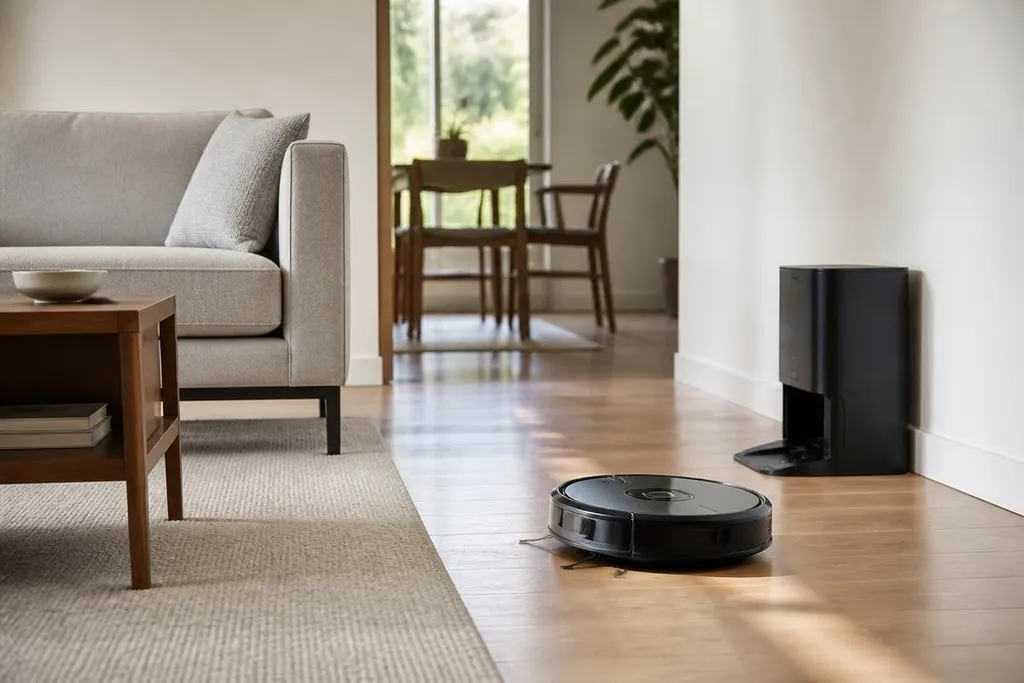
A household robot becomes easier to afford when it does one job well, runs often, and needs little help from you. A machine that tries to clean, cook, carry items, and manage stairs faces a much harder cost problem.
This article looks at the price question from your side: what the robot must do, what ownership adds, and which signs would make a purchase sensible.
- A lower purchase price won't help if repairs and setup stay high.
- Narrow tasks are easier to automate than open-ended housework.
- Monthly cost matters more than the launch price.
The task sets the price
Housework looks like one activity until a robot has to perform it. Picking up a towel needs object recognition, a safe grip, movement around furniture, and a place to put the towel. Each extra object and room adds more cases for the robot to handle.
A robot that repeats one fixed route has a smaller job. A household robot that deals with toys, cables, pets, wet floors, stairs, and people needs more sensors and more software checks. Those parts raise the purchase price and the work needed to keep the robot running.
That is why a narrow machine may become affordable before a general home helper. A floor robot can work within a defined area. A general-purpose arm or mobile robot must deal with objects and spaces that change from one house to the next.
The monthly cost matters more
Suppose a robot costs $10,000 and works for five years. Before power, repairs, or service, that equals about $167 per month. A $50 monthly service plan would push the basic ownership cost to about $217 per month.
Those figures are not a market price forecast. They show the calculation you need before buying. A lower-priced robot can still cost more if it needs frequent technician visits, replacement parts, or paid remote help.
Power use may be a smaller item for a small mobile robot, but a battery still wears out. A replacement battery, worn drive wheel, failed camera, or damaged gripper can change the cost in a single year. Ask for parts prices and repair terms before comparing two machines.
A household budget feels the repair bill long after the checkout price is gone. Robot24 can put a home robot’s purchase price beside its repair terms and stated tasks, before the next section sets a clear test for “affordable.”
What affordable should mean
The right price depends on the task and the hours the robot saves. If it removes 30 minutes of repeated work each day, you can compare its monthly cost with the value of those 15 hours each month. That does not make the robot a financial win by itself. The robot must also complete the task without constant supervision.
A machine that needs you to move furniture, clear objects, restart it, and correct failed picks may save little time. A robot that works for two hours and then needs 20 minutes of human help may fit a hobby or accessibility need, but it cannot replace a larger share of household work.
The software matters too. A robot may gain new functions through updates, but those functions can depend on a paid plan or an internet connection. Ask what still works if the service ends.
A buying check for your home
Use this list before you compare models. It turns a broad promise into a task you can measure.
- Name one job: Write the exact task, room, objects, and time window.
- Count intervention: Record how many times per day you would need to help.
- Price five years: Add the robot, service, power, parts, and likely battery work.
- Check the home: Measure door widths, floor changes, stairs, and storage space.
- Ask for proof: Request an uncut demonstration of the same task in a similar room.
A useful test is repeatability. If the robot succeeds once, that shows a possible result. If it handles the same job across many runs without a person resetting the scene, you have better evidence for ownership.
I’d wait to buy a general household robot until the maker publishes repair costs, service terms, and repeat-task results in homes like yours. A focused robot can make sense sooner, especially when the task is dull, repeated, and easy to check.
The first affordable household robots will probably win by doing less, not more. The question is which single job you would pay to stop doing every week.