
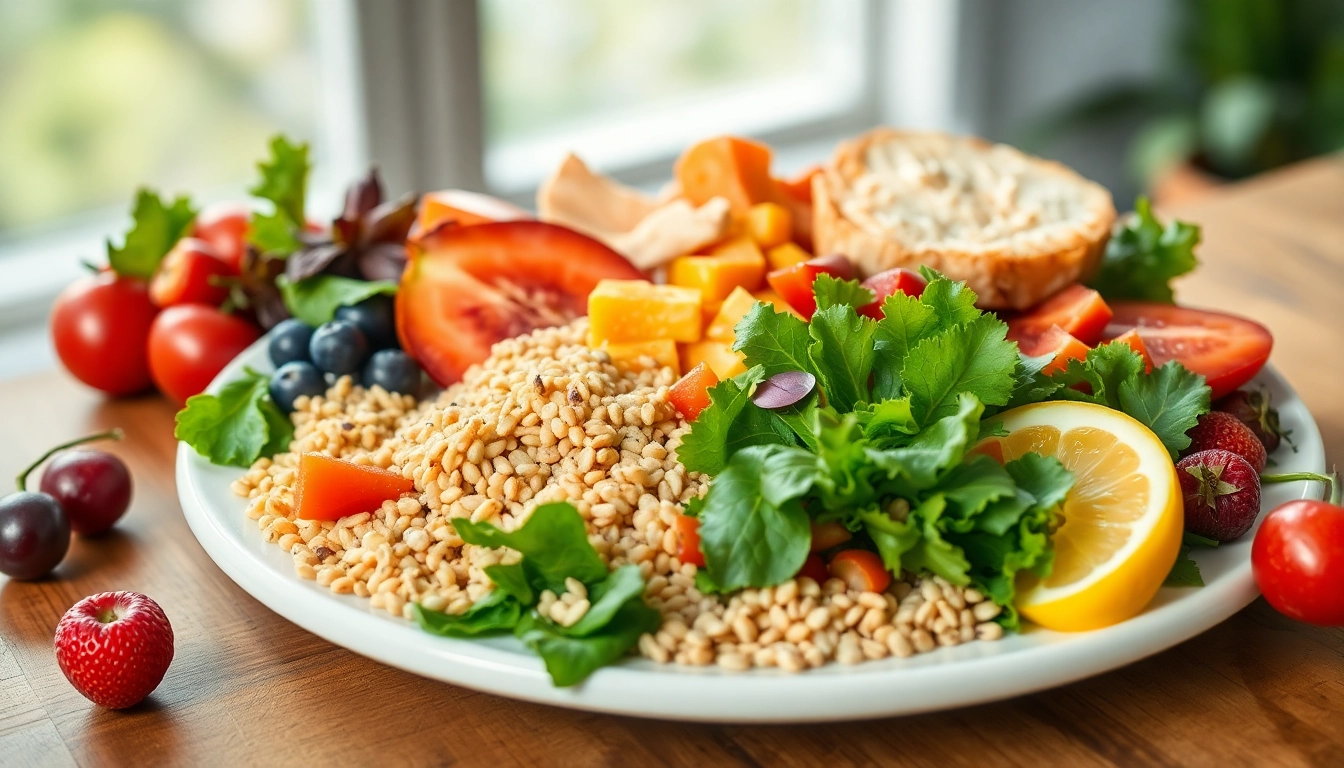
Understanding Healthy Food Choices
Healthy eating is more than merely selecting foods labeled as "healthy." It encompasses understanding which foods contribute positively to our health and well-being. With increasing awareness about nutritional value and dietary patterns, making informed choices about healthy food is essential. Let’s dive into what constitutes healthy food, its benefits, and common misconceptions that may hinder our journey toward better nutrition.
What Constitutes Healthy Food?
Healthy food is typically defined as those items that provide essential nutrients with minimal negative effects on our health. This includes:
- Fruits and vegetables: Rich in vitamins, minerals, and antioxidants.
- Whole grains: Such as brown rice, quinoa, and oats, which are beneficial for digestion.
- Lean proteins: Such as chicken, fish, beans, and legumes that support muscle repair and overall health.
- Healthy fats: Sources like avocados, nuts, and olive oil that are necessary for brain health and hormone regulation.
In contrast, processed and high-sugar foods generally contribute to unhealthy eating patterns. The emphasis should be on whole, unprocessed foods that deliver a plethora of nutrients without excessive calories.
Benefits of Eating Healthy Food
The advantages of consuming healthy foods are vast and impactful:
- Weight Management: Nutritious foods tend to be lower in calories and high in fiber, helping to maintain a healthy weight.
- Reduced Risk of Disease: A balanced diet decreases the likelihood of chronic diseases, including heart disease, diabetes, and certain cancers.
- Enhanced Mood and Energy Levels: Foods rich in essential nutrients improve cognitive function and stabilize energy levels throughout the day.
- Improved Digestion: High-fiber foods promote better digestive health and prevent constipation.
Common Misconceptions About Healthy Food
Despite the benefits of healthy eating, several misconceptions can lead people astray:
- All fats are bad – In reality, healthy fats are crucial for hormone production and energy.
- Carbohydrates should be avoided entirely – Whole grains are a valuable source of energy and nutrients.
- Healthy foods are always expensive – With smart shopping and meal planning, nutritious options can be budget-friendly.
Understanding the differences between misconception and fact can empower individuals to make better dietary choices.
Building a Balanced Diet
Creating a balanced diet requires knowledge of the components that contribute to a nutritious lifestyle. This section provides guidelines and strategies to help you develop a healthy eating pattern.
Components of a Healthy Plate
Utilizing the concept of a "healthy plate" can simplify meal planning:
- Fruits and Vegetables: Fill half the plate with a variety of colorful options to ensure a broad range of nutrients.
- Proteins: Include a serving of lean protein, such as a piece of grilled chicken or a cup of legumes.
- Whole Grains: Choose complex carbohydrates like brown rice or quinoa for sustained energy.
- Dairy or Alternatives: Incorporate low-fat or plant-based dairy for calcium and Vitamin D.
This visual representation can help in making mindful and health-conscious decisions when planning meals.
How to Incorporate Healthy Food into Daily Meals
Integrating healthy foods into your meals can be fun and fulfilling. Here are some ways to do it:
- Start your day with a nutritious breakfast, such as oatmeal topped with fresh fruits and nuts.
- Pack a healthy lunch with leafy greens, lean protein, and colorful vegetables.
- Experiment with new recipes that include a variety of produce.
- Make healthier snack choices, for example, fresh fruit, nuts, or yogurt.
The key is to develop a routine that incorporates a wide array of healthy foods while still enjoying the process of cooking and eating.
Sample Meal Plans for Healthy Eating
Having a meal plan can simplify your grocery shopping and meal preparation:
- Breakfast: Greek yogurt with berries and a sprinkle of granola.
- Lunch: Quinoa salad mixed with roasted vegetables and chickpeas.
- Dinner: Baked salmon with steamed broccoli and sweet potato.
- Snacks: Carrot sticks with hummus or a handful of mixed nuts.
This structured but flexible approach can guide you toward healthier eating patterns without overwhelming choices.
Healthy Food Recipes You’ll Love
Cooking healthy doesn't have to be complex. Here are some delicious recipes that are easy to prepare and packed with nutrition.
Quick and Easy Healthy Recipes
When time is limited, these quick recipes can save the day:
- Veggie Stir-Fry: Quickly sauté your favorite vegetables in a bit of olive oil with garlic and ginger, adding tofu or chicken for protein.
- Overnight Oats: Combine oats with yogurt or milk, chia seeds, and toppings of your choice. Let it sit overnight for a nutritious breakfast.
- One-Pan Lemon Chicken and Asparagus: Season chicken with lemon juice, garlic, and place it on a baking sheet with asparagus for an easy dinner.
Seasonal Healthy Food Ideas
Eating in sync with the seasons ensures you enjoy the freshest produce:
- Spring: Try a salad with roasted beets, goat cheese, and walnuts.
- Summer: Enjoy a refreshing gazpacho or mixed berry smoothie.
- Fall: Make a pumpkin soup spiced with cinnamon and nutmeg.
- Winter: Cook hearty vegetable stews or baked root vegetables.
Healthy Snacks to Boost Your Energy
Smart snacking can help maintain energy levels throughout the day:
- Apple slices with almond butter for a satisfying crunch.
- A handful of trail mix made from nuts and dried fruits.
- Greek yogurt with honey and a sprinkle of chia seeds.
- Rice cakes topped with avocado and cherry tomatoes.
Healthy snacks can prevent energy crashes and keep your metabolism active.
Shopping for Healthy Food
Grocery shopping can be overwhelming, especially with so many options available. Here are strategies to navigate the grocery aisles efficiently.
How to Read Nutrition Labels
Understanding nutrition labels is crucial in making informed food choices:
- Look for serving size and servings per container to understand portion control.
- Check for total calories and limit those high in added sugars and saturated fats.
- Pay attention to the % Daily Value (%DV) to gauge how much of a nutrient is in a serving.
- Seek out products with higher fiber and protein contents and lower sodium levels.
Choosing Organic vs. Conventional Foods
People often debate whether to buy organic or conventional items:
- Organic Foods: These are produced without synthetic pesticides and fertilizers and often seen as healthier and more environmentally friendly.
- Conventional Foods: Typically less expensive, these options are still nutritious and can offer significant savings.
- The decision often comes down to personal preference, availability, and budget.
Ultimately, both organic and conventional foods can fit into a healthy lifestyle when chosen wisely.
Budget-Friendly Tips for Buying Healthy Food
Eating healthy doesn’t have to break the bank. Here are cost-effective shopping strategies:
- Buy in bulk, focusing on grains, beans, and nuts which last longer.
- Choose seasonal fruits and vegetables for the best prices and flavors.
- Plan meals ahead of time to avoid impulse purchases.
- Consider grocery stores, farmer’s markets, and co-ops for better deals.
These strategies can help maintain a healthy diet while staying within budget.
Maintaining a Healthy Eating Lifestyle
Once you have established a healthy eating pattern, the next challenge is sustaining it. Here’s how to maintain your new lifestyle effectively.
Setting Realistic Healthy Eating Goals
Establishing attainable goals is essential for long-term success:
- Set specific, measurable, achievable, relevant, and time-bound (SMART) goals.
- Start small by replacing one meal a week with a healthy option.
- Acknowledge and celebrate small achievements to boost motivation.
Overcoming Challenges to Healthy Eating
Life’s hurdles can often derail even the best intentions for a healthy diet:
- Plan for busy days by prepping meals in advance to avoid fast food.
- Stay resilient by finding alternative options when craving unhealthy foods.
- Connect with like-minded individuals for support and recipe sharing.
Identifying potential challenges and planning ahead can help smooth the transition to a healthier lifestyle.
Tracking Your Healthy Food Intake for Better Results
Monitoring what you eat can enhance accountability:
- Utilize mobile apps to track food intake and nutritional values.
- Keep a food journal to reflect on eating habits and identify areas for improvement.
- Regularly reassess and fine-tune your goals based on your tracking results.
This careful monitoring can lead to greater awareness and more successful healthy eating habits.